Winter Snowflake: A Versatile Design for Creative and Practical Applications
The Winter Snowflake is more than just a decorative element—it's a powerful design asset that can enhance a wide range of creative and practical projects. Whether you're working on branding, packaging, or digital content, this abstract winter snowflake pattern offers a clean, elegant aesthetic that aligns with seasonal themes while maintaining a timeless appeal.
Understanding the Winter Snowflake Pattern
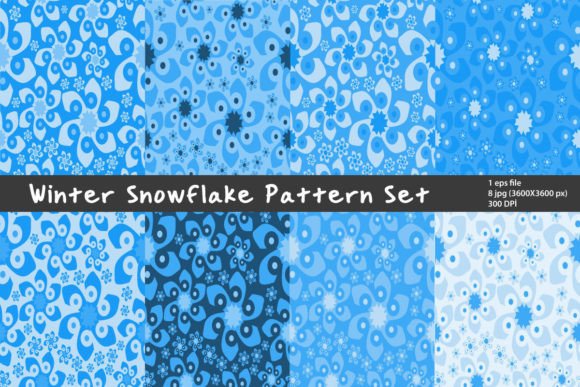
The Winter Snowflake is a seamless, repeating vector pattern designed to be versatile and scalable. It features an abstract interpretation of a snowflake, rendered in a minimalist yet striking style. The pattern comes in two formats: one as an editable .eps file for professional design work and another as a high-resolution .jpg image at 3600×3600 pixels, ideal for print and digital use.
This design is not only visually appealing but also highly functional. Its seamless nature means it can be tiled without visible seams, making it perfect for large-scale applications such as wallpaper, wrapping paper, or fabric prints. The high resolution ensures that the quality remains consistent even when scaled up or printed at larger sizes.
Where Does Winter Snowflake Fit Into Your Workflow?
The Winter Snowflake can be integrated into various stages of a project, depending on your needs. For instance, it can serve as a background element in branding materials, helping to establish a cohesive visual identity. It can also be used as a texture overlay in digital mockups or as part of a product’s packaging design to evoke a sense of warmth and holiday cheer.
In a creative workflow, the Winter Snowflake might come into play during the ideation phase, where designers look for inspiration or mood boards. Alternatively, it could be used as a final touch in a project to add depth and visual interest without overwhelming the design.
How Winter Snowflake Interacts With Other Tools and Resources
The Winter Snowflake works well with a variety of design tools and platforms. As a vector file, it is compatible with Adobe Illustrator, InDesign, and Photoshop, allowing for easy customization and integration into existing workflows. Its high-resolution .jpg format makes it suitable for use in web design, social media assets, and print layouts.
When combined with other design elements such as typography, color schemes, and imagery, the Winter Snowflake can create a balanced and harmonious composition. It is particularly effective when paired with warm tones like red, gold, and deep blues, which complement its icy, crystalline structure.
Practical Implementation Tips for Using Winter Snowflake
To get the most out of the Winter Snowflake, consider the following tips:
- Use it as a background texture: Apply the pattern to a background layer in your design software to add subtle visual interest without overpowering the main content.
- Layer it with other elements: Place the pattern behind text or images to create depth and dimension.
- Customize it for specific projects: Use the vector format to adjust the pattern’s size, color, or placement to match your design goals.
- Test across different mediums: Ensure the pattern looks great in both digital and print formats by previewing it on various devices and paper types.
By incorporating the Winter Snowflake into your workflow, you can elevate the visual appeal of your projects while maintaining efficiency and consistency.
Use Cases for Winter Snowflake in Different Industries
The Winter Snowflake has a broad range of applications across multiple industries. Here are a few examples:
- Textile and Fashion: Use the pattern as a fabric repeat for winter-themed apparel, scarves, or accessories.
- Stationery and Packaging: Incorporate the pattern into greeting cards, gift wrap, or product boxes to create a festive and memorable experience.
- Digital Content Creation: Apply the pattern to website backgrounds, social media posts, or email templates to maintain a cohesive brand aesthetic.
- Education and Publishing: Use the pattern in educational materials, book covers, or classroom resources to make learning more engaging.
Each of these use cases highlights how the Winter Snowflake can be adapted to fit different needs and environments, making it a valuable asset for professionals and hobbyists alike.
Organizing and Managing Your Design Assets
When working with multiple design assets like the Winter Snowflake, organization is key. Keep your files neatly categorized by project, purpose, or medium to avoid confusion and streamline your workflow. Consider using naming conventions that reflect the intended use of each file, such as "Winter_Snowflake_Packaging_Overlay.jpg" or "Winter_Snowflake_Vector_File.eps."
Regularly back up your files and store them in a centralized location to ensure easy access and long-term usability. This helps maintain consistency across projects and reduces the risk of losing important design elements.
Quality Control and Long-Term Use
Ensuring the quality of your design assets is essential, especially when they will be used in professional settings. Always verify that the Winter Snowflake maintains its clarity and detail at different scales and resolutions. Test it in various contexts to confirm that it performs well under different conditions.
For long-term use, consider creating a library of your favorite patterns, including the Winter Snowflake, so you can easily access and reuse them in future projects. This not only saves time but also helps maintain a consistent visual language across your work.
Conclusion
The Winter Snowflake is a flexible and elegant design that can be seamlessly integrated into a wide array of creative and practical workflows. By understanding its strengths and limitations, you can use it effectively to enhance your projects while maintaining efficiency and quality. Whether you're a designer, marketer, or hobbyist, this pattern offers a versatile solution that fits into your unique process and goals.