Marble Pattern: A Versatile Design for Creative and Practical Use
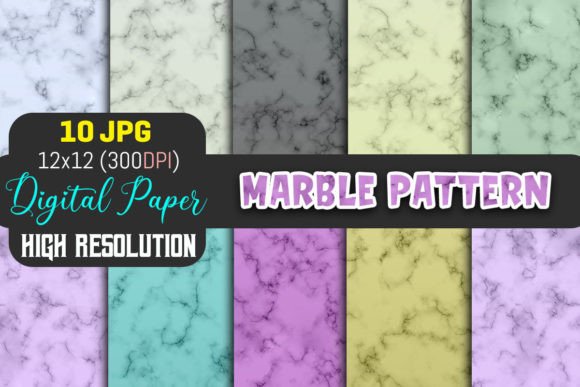
The Marble Pattern is a visually striking design that blends elegance with functionality. It features a smooth, flowing texture inspired by the natural beauty of marble, making it a popular choice in both digital and physical applications. Whether you're designing a website, creating branding materials, or preparing printables for a product, the Marble Pattern offers a timeless aesthetic that can elevate your work. Its adaptability makes it suitable for a wide range of use cases, from creative projects to business workflows.
Where Does Marble Pattern Fit Into Broader Processes?
Understanding where the Marble Pattern fits into your workflow is essential for maximizing its value. It can be integrated at various stages of a project—before, during, or after—to enhance visual appeal and maintain consistency. For instance, when planning a marketing campaign, using the Marble Pattern as a background for presentations or reports can create a cohesive brand identity. Similarly, in a design process, it can serve as a base layer for custom illustrations or layouts, ensuring that all elements align with a unified visual theme.
When working on a creative project, such as developing a new product line, the Marble Pattern can act as a versatile template. It provides a neutral yet sophisticated backdrop that allows other design elements to stand out without overpowering them. This makes it particularly useful in scenarios where clarity and professionalism are key, such as in educational materials, instructional guides, or corporate communications.
Practical Applications of Marble Pattern
- Branding: The Marble Pattern can be used to create logos, packaging, and promotional materials that reflect a brand's sophistication and quality.
- Web Design: As a background or overlay, it adds depth and visual interest to websites without distracting from content.
- Print Media: Ideal for brochures, flyers, and banners, it ensures a polished look across different formats.
- Product Packaging: Used in retail environments, it enhances the perceived value of products through its elegant appearance.
- Interior Design: In home or office spaces, it can be applied to wall coverings, flooring, or decorative accents.
Each application benefits from the pattern’s ability to blend seamlessly with other design elements while maintaining its own distinct character. This versatility ensures that the Marble Pattern remains relevant across multiple industries and use cases.
How to Integrate Marble Pattern Into Your Workflow
Integrating the Marble Pattern into your workflow requires careful planning and execution. Here are some practical steps to help you incorporate it effectively:
- Select the Right Format: Choose between high-resolution JPEG files or vector-based options depending on your project needs. High-quality files ensure that the pattern maintains its clarity and detail at any scale.
- Plan for Consistency: Ensure that the pattern is used consistently across all related materials to maintain a cohesive visual identity. This is especially important in branding and marketing contexts.
- Test for Compatibility: Before finalizing your design, test how the pattern interacts with other elements such as text, images, and color schemes. Adjust as needed to achieve the desired effect.
- Optimize for Different Platforms: If you plan to use the pattern online, make sure it performs well on various devices and screen sizes. For print, verify that the resolution meets industry standards.
- Document Your Process: Keep track of how and when you use the pattern to streamline future projects and improve efficiency.
By following these steps, you can ensure that the Marble Pattern becomes an integral part of your workflow rather than an afterthought.
Use Cases and Real-World Examples
The Marble Pattern has been successfully used in a variety of real-world scenarios. One notable example is in the development of a luxury skincare brand. The brand used the pattern as a background for their website and packaging, reinforcing a sense of refinement and exclusivity. Another example comes from a small business owner who incorporated the pattern into their marketing materials, resulting in increased customer engagement and brand recognition.
In the education sector, the Marble Pattern has been used to create visually appealing study guides and classroom resources. Teachers have reported that students are more engaged when learning materials feature a clean, elegant design like the Marble Pattern. This demonstrates how the pattern can be adapted to meet the needs of different audiences and industries.
Factors to Consider When Using Marble Pattern
While the Marble Pattern offers many benefits, there are several factors to consider before incorporating it into your work:
- Preparation: Ensure that you have the right tools and knowledge to work with the pattern effectively. This may include design software, printing equipment, or layout planning.
- Compatibility: Check that the pattern works well with other design elements and platforms. Some patterns may not render correctly in certain applications or on specific devices.
- Usability: Make sure the pattern does not interfere with readability or user experience. It should enhance, not hinder, the overall design.
- Organization: Keep your design assets organized to avoid confusion and streamline your workflow. This includes labeling files, storing them in appropriate folders, and maintaining version control.
- Efficiency: Use the pattern strategically to save time and effort. Avoid overusing it in ways that could lead to visual clutter or inconsistency.
- Consistency: Maintain a consistent approach to using the pattern across all projects to reinforce brand identity and visual coherence.
- Quality Control: Regularly review your work to ensure that the pattern maintains its quality and effectiveness throughout the design process.
- Long-Term Use: Consider how the pattern will be used in the long term. Will it remain relevant as trends evolve? Can it be easily updated or modified if needed?
By addressing these factors, you can ensure that the Marble Pattern serves its purpose effectively and contributes positively to your overall workflow.
Conclusion
The Marble Pattern is more than just a design element—it’s a tool that can enhance creativity, organization, and professionalism in a wide range of applications. By understanding its role in your workflow and integrating it thoughtfully, you can unlock its full potential and achieve better results in your projects. Whether you’re a designer, marketer, educator, or entrepreneur, the Marble Pattern offers a versatile solution that adapts to your needs and supports your goals. With the right approach, it can become an essential part of your creative toolkit.