Mango Seamless Patterns for Real-World Creative Work
When you hear “Mango,” you might picture the fruit — vibrant, tropical, juicy. But in digital design, Mango refers to a family of high-resolution, ready-to-use seamless patterns built around that same warm, sun-drenched energy. These aren’t just decorative flourishes — they’re practical, production-ready assets designed to save time, spark ideas, and elevate finished work across industries.
What Exactly Is a Mango Seamless Pattern?
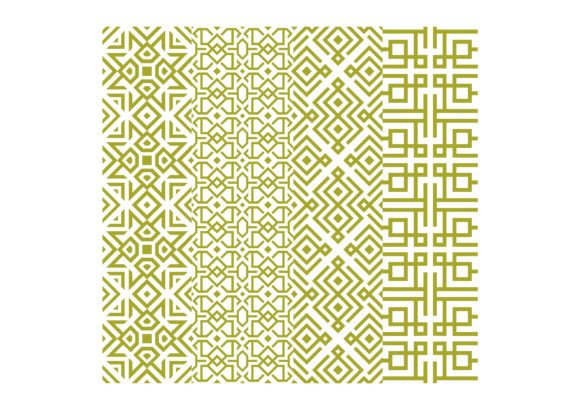
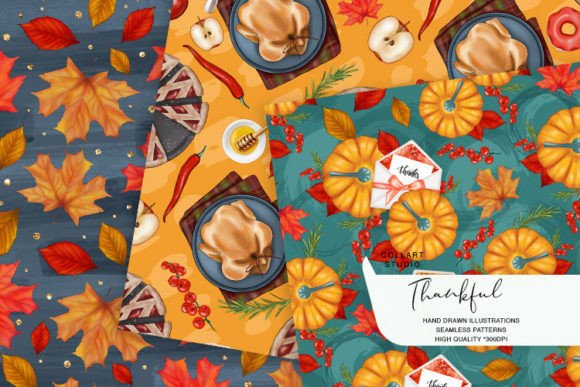
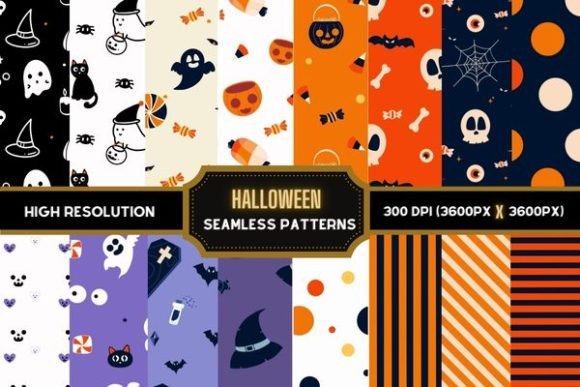
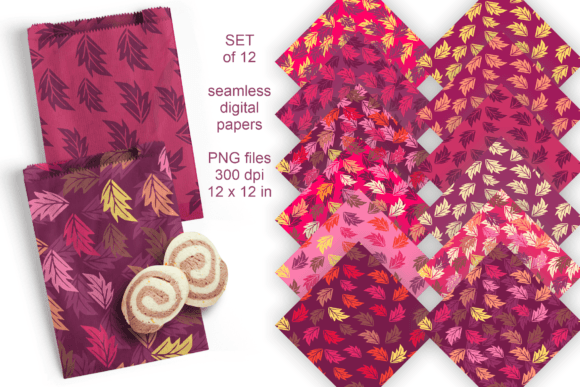
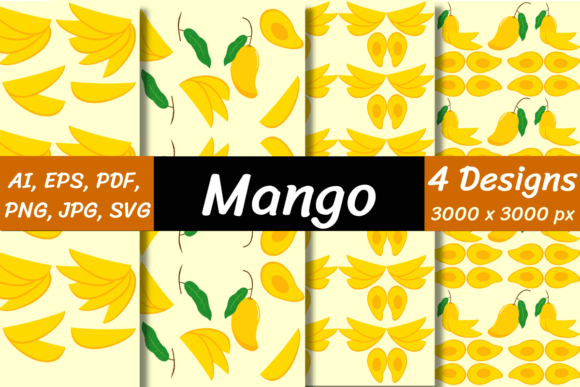
A Mango seamless pattern is a tileable digital background — think repeating mango leaves, sliced fruit motifs, watercolor mango textures, or stylized tropical geometry — engineered so edges align perfectly when repeated. No visible seams. No awkward gaps. Just smooth, scalable coverage for any surface: a website banner, fabric mockup, packaging label, social media post, or even a laser-cut greeting card.
Each Mango pattern comes in multiple formats: Mango AI (for full vector editing in Adobe Illustrator), Mango EPS (cross-compatible vector), Mango PDF (print-ready with embedded fonts and CMYK support), Mango SVG (ideal for web use and responsive scaling), and raster options including Mango PNG, Mango PNG transparent, and Mango JPEG/JPG. All files are delivered at 3000 × 3000 pixels — sharp enough for large-format prints and crisp on Retina displays.
Where Mango Patterns Actually Shine (Beyond “Pretty Backgrounds”)
Designers don’t reach for seamless patterns just to fill space. They reach for them when a project needs personality, cohesion, or speed — without sacrificing quality. Here’s where Mango makes a tangible difference:
- Small business branding: A café launching a summer menu can drop a Mango PNG transparent over a photo of their house-made lemonade — instantly reinforcing a fresh, tropical vibe. No custom illustration needed.
- Print-on-demand creators: Artists selling phone cases or tote bags on Etsy use Mango SVG files to scale cleanly across dozens of product templates. That same file works for a 4" x 6" sticker and a 12" x 16" wall poster — no pixelation, no redraws.
- Marketing teams under deadline: When a last-minute Instagram carousel needs visual consistency, dropping a Mango JPG as a subtle overlay on all slides creates rhythm and brand warmth — faster than building from scratch.
- Teachers and educators: A middle-school science teacher designing a “Tropical Ecosystems” unit uses Mango PDF patterns to create printable worksheets with botanical borders — engaging but distraction-free.
- Product designers: Someone prototyping eco-friendly food packaging might layer a Mango AI pattern into their dieline file, then adjust colors to match compostable kraft board — all before finalizing the print spec.
Who Benefits — and How They Use It Differently
The same Mango pattern serves very different needs depending on who’s using it — and how deeply they dive into the file types:
- Beginners and non-designers often start with Mango PNG transparent or Mango JPG. Drag-and-drop into Canva, PowerPoint, or Google Slides. Works instantly — no software learning curve.
- Graphic designers lean on Mango AI and Mango EPS to recolor, resize, or isolate elements. Need just the leaf outline? Ungroup and delete the fruit. Want gold foil texture? Apply a gradient mesh — all within Illustrator.
- Web developers prefer Mango SVG for lightweight, resolution-independent backgrounds. It scales with viewport size, loads fast, and supports CSS animations — like gently pulsing light through a mango-slice motif.
- Print professionals rely on Mango PDF for its embedded color profiles and bleed-safe layout. Perfect for brochures, business cards, or stationery suites heading straight to commercial offset or digital presses.
Things to Keep in Mind Before You Use Mango Files
Mango patterns are versatile — but smart usage means matching format to purpose. A few real-world considerations:
- Transparency matters — literally: If you plan to overlay the pattern on photos or colored backgrounds, Mango PNG transparent is your best friend. A standard Mango JPG has a white background — which can clash or obscure underlying content.
- Vector ≠ always better: While Mango AI and Mango EPS give maximum flexibility, they won’t help if your workflow lives entirely in Figma or Photoshop. In those cases, high-res Mango PNG or Mango SVG may be more practical.
- Resolution isn’t just about size: All Mango files are 3000 × 3000 pixels — generous for most uses. But if you’re printing a 4' × 8' trade show backdrop, you’ll want to confirm scaling behavior in your RIP software. Vector formats (Mango AI, Mango EPS, Mango SVG) handle extreme enlargement effortlessly; raster formats hold up well *up to* that size, but not beyond without interpolation.
- Zipped delivery is efficient — but requires prep: The files come in a single ZIP folder. You’ll need unzipping software like WinZip, WinRAR, or the built-in tools in macOS and Windows 10/11. Most modern laptops handle this automatically — but older systems or locked-down corporate devices sometimes block extraction. A quick check before starting your project saves frustration.
Why Mango Stands Out Among Digital Papers
Not all seamless patterns deliver equal value. Mango stands out because it balances three things many collections miss: consistency, practicality, and format intelligence.
Consistency means every Mango pattern shares the same warm, approachable palette and organic flow — so mixing a leaf motif with a slice motif feels intentional, not accidental. Practicality shows up in the 3000 × 3000 pixel size: big enough for print, clean enough for screen. And format intelligence means each file type serves a clear role — no redundant exports, no missing transparency, no surprise color shifts between JPG and PDF.
You’ll find Mango used quietly behind the scenes: in boutique packaging, indie magazine layouts, wellness app interfaces, handmade craft listings, and even university course materials. It’s not about shouting “look at this pattern!” — it’s about supporting the message, calming the eye, or adding just enough texture to feel human.
Getting Started Is Simple
Once downloaded, unzip the folder and scan the filenames — they’re clearly labeled by format (e.g., mango-leaves-seamless.ai, mango-slice-transparent.png). Open what matches your tool and task. Adjust opacity, recolor, mask, or tile — then keep moving. That’s the real strength of Mango: it doesn’t slow you down. It helps you finish stronger.