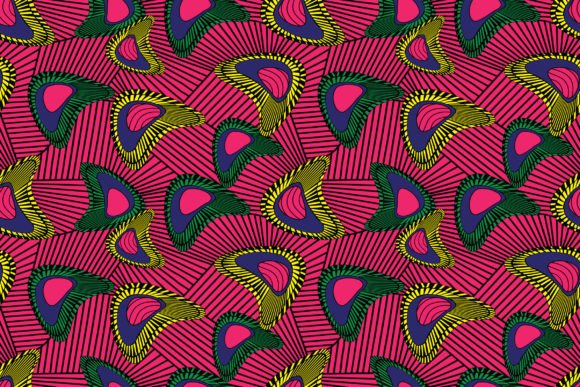
African Wax Pattern: A Versatile Design for Creativity and Craft
African wax patterns are more than just decorative elements—they are a rich cultural expression that has found its way into modern design and craft. These intricate designs, often created using a resist-dyeing technique known as Adire, have been passed down through generations in West African cultures such as Nigeria, Ghana, and Benin. Today, they are not only a symbol of heritage but also a versatile resource for designers, artists, and crafters looking to infuse their projects with authenticity and visual appeal.
What Is an African Wax Pattern?
An African wax pattern is a repeating design made from wax-resist dyeing. The process involves applying hot wax to fabric or paper in specific patterns, then dyeing the fabric. The wax acts as a barrier, preventing the dye from penetrating certain areas, which results in striking contrasts between colors. This method creates bold, geometric shapes that are both visually arresting and deeply symbolic.
The patterns often tell stories, represent social status, or reflect cultural identity. For example, some designs signify wealth, while others are used in rites of passage or ceremonies. However, in today’s creative world, these traditional patterns have evolved beyond their original purpose and are now widely used in various industries and crafts.
Why Use African Wax Patterns in Modern Design?
- Cultural Authenticity: Using African wax patterns adds a unique cultural dimension to your projects, making them stand out in a global market.
- Visual Impact: The bold lines and vibrant colors of these patterns make them ideal for attracting attention in branding, packaging, and decor.
- Seamless Application: These patterns are typically seamless, meaning they can be used on large surfaces without visible seams or repetition.
- Wide Range of Uses: From apparel and accessories to stationery and digital backgrounds, African wax patterns offer endless possibilities for creativity.
Applications of African Wax Patterns in Everyday Life
African wax patterns are incredibly versatile and can be applied to a wide range of products and projects. Here are some common uses:
Apparel and Textiles
One of the most popular applications of African wax patterns is in fashion. These designs are commonly used for traditional dresses, jackets, leggings, and even scarves. They add a touch of elegance and cultural richness to any outfit. Whether you're creating custom clothing or designing for a brand, these patterns can elevate your look with minimal effort.
Package Design and Branding
In the world of marketing and branding, African wax patterns are gaining popularity for their ability to create a strong visual identity. They are frequently used in product packaging, especially for luxury items and artisanal goods. The unique aesthetic of these patterns helps brands stand out in a crowded market and connect with consumers who appreciate cultural diversity and craftsmanship.
Paper Crafts and Stationery
From wrapping paper to greeting cards, African wax patterns bring a new level of sophistication to everyday paper crafts. They are particularly well-suited for card making, invitations, and DIY projects. Whether you're creating a birthday card or designing a wedding invitation, these patterns can add a personal and artistic touch.
Digital and Print Media
African wax patterns are also used in digital design, including blog backgrounds, website headers, and social media visuals. Their seamless nature makes them perfect for large-scale use, whether it's for a website background or a printed poster. Additionally, they are compatible with sublimation printing, allowing for high-quality transfers onto fabric, ceramics, and other materials.
How to Use African Wax Patterns Effectively
Whether you're a beginner or an experienced designer, there are several ways to incorporate African wax patterns into your work:
- Select the Right Pattern: Choose a pattern that aligns with the purpose of your project. For example, a bold and intricate design may be more suitable for a statement piece like a dress, while a simpler pattern might work better for stationery or packaging.
- Use High-Quality Files: Ensure that the files you use (such as JPEG, PDF, EPS, or AI) are of high resolution (4000x4000 pixels or higher) to maintain clarity when printed or displayed digitally.
- Experiment with Color Combinations: While traditional African wax patterns often feature black and red, you can experiment with different color schemes to suit your design needs.
- Apply to Various Surfaces: These patterns are adaptable and can be used on fabric, paper, wood, metal, and even glass. This versatility allows for creative experimentation across multiple mediums.
Common Misconceptions About African Wax Patterns
Despite their growing popularity, there are some common misconceptions about African wax patterns:
- They Are Only for Traditional Use: While these patterns have deep cultural roots, they are not limited to traditional settings. They are widely used in modern design and can be adapted to fit contemporary aesthetics.
- They Are Difficult to Work With: In reality, many African wax patterns are designed to be user-friendly, especially for those working with digital tools or print media. They are often available in seamless formats that simplify application.
- They Are Exclusive to One Culture: Although African wax patterns originated in West Africa, they have become a global design trend. Many designers around the world incorporate them into their work, blending traditional elements with modern styles.
Conclusion
African wax patterns are more than just beautiful designs—they are a testament to cultural heritage and artistic innovation. Whether you're a designer, crafter, or simply someone looking to add a unique touch to your projects, these patterns offer endless possibilities. From clothing and packaging to stationery and digital backgrounds, they can enhance your work in meaningful and creative ways.
With the availability of high-resolution files in formats like JPEG, PDF, EPS, and AI, it's easier than ever to incorporate African wax patterns into your creative endeavors. By understanding their history, significance, and practical applications, you can unlock a world of design potential and cultural expression.